
Analog vs Digital
I saw a lot of discussion on this topic. Arguments like “Shooting Digital is cheaper” or “Shooting on film is ART.” Here is my take.
Before you make any judgments, answer the question first: Have you ever shot on film? If the answer is yes, you know how hard it can be.
The first SLR I got my hands on is Nikon FM2. They have a thing called “split prism” for focusing. That‘s before auto-focus was invented. Obviously, it takes longer to get a picture than using an iPhone. There is a built-in light meter/indicator on FM2 for exposure reference. It tells you whether it’s under-expose or over-expose. Because my old Ricoh 500 GX ran out of battery, hence I got to learn how to get the right exposure without that feature.
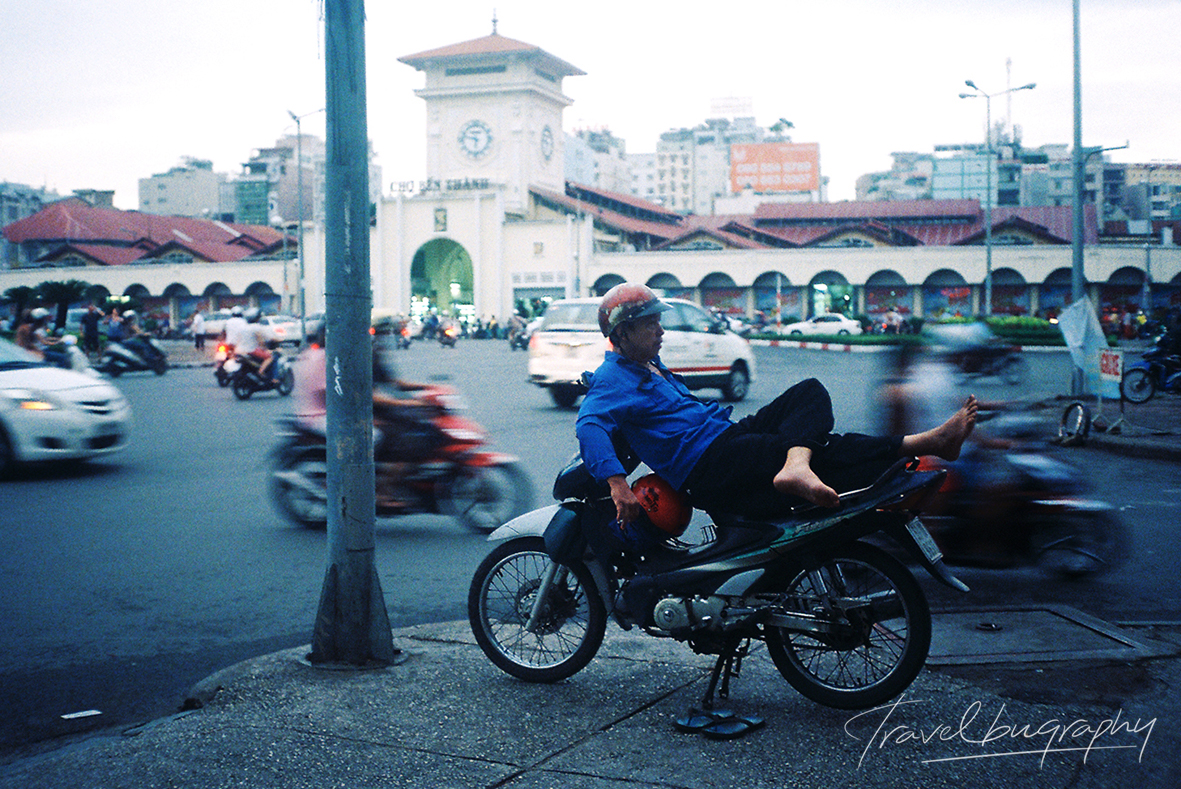
Analog is a great training tool. It requires a lot more patience and attention to detail. You will be more conscious of every decision you make. There are only 36 shots in a roll. It is unlikely to click multiple times for the same picture unless you are doing double exposure.
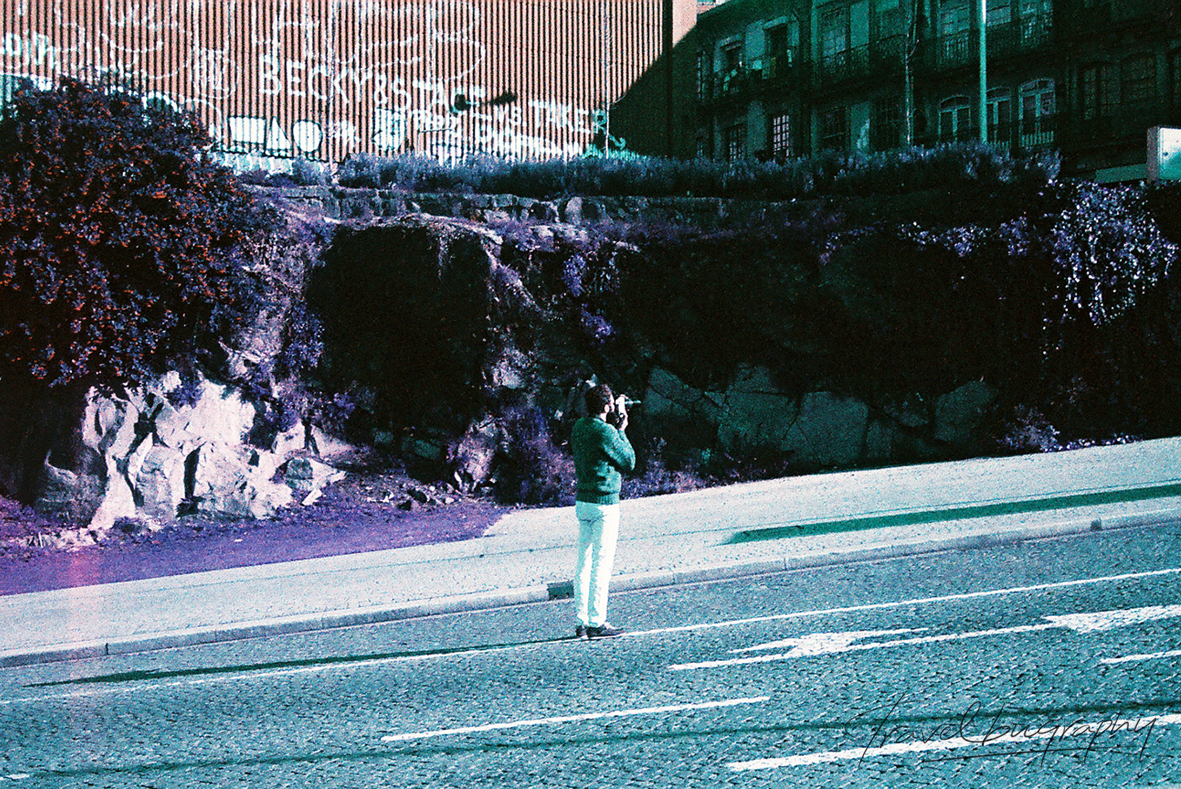
If you are shooting film for the first time, there is a high percentage of chance that you will fail miserably. At the same time, it’s super fun. Because you get to experiment things like light leaks, expired film, cross-processing, etc. I would say analog is for adventurous people. Especially after Lomography has launched their own color negatives films such as Red Scale, X-Pro Slide, LomoChrome Purple, etc.

Myth: Shooting film is expensive
Honestly, I don’t understand where is it coming from. You can easily get a pre-owned camera from eBay for $200 — $300USD. I got my Yashica-D for $300. The cost of the film rolls, process fees, and scanning is approximately $20. That’s a fraction of the cost of a DSLR body!
The transition from analog to digital is not without struggle. The digital aperture values are foreign to me at the beginning- F4.5, F6.3, F7.1. The best recent digital cameras that have a max ISO of 25,600. You read it right. I have only tried ISO 3200 on film. That is a lot of grain/noise! The good news is the noise cancelation on new cameras is pretty good. You can take advantage of using a higher value of ISO in low light.
Myth: Post-process = Manipulation = Wrong
There is a difference between bringing out details and altering the image. Things you don’t normally see such as dodging, burning, removing pimples were done in a dark room in the old days, can be done in Photoshop now.
The thing I like about digital photography is I have control over post-processing. For example, you can tweak the color temperature, balance the exposure, split toning, etc. Photo editing plays a huge part in digital photography. And I think people who don’t process their photos are missing out.
Understanding the dynamic range is the beginning of knowing what digital photography is capable of. The RAW file loaded with data that allows creative freedom.
There are pros and cons on both sides. I don’t shoot on film much now. Probably 3 rolls a year. That’s about 100 clicks. Lab processing is just part of the game. Good things are worth the wait. This is what makes film special.
Shout out to the film shooters out there! If you love film photography the same way I do, hit me up, and share your experiences.